
7 Secrets Slashing Maintenance & Repairs Costs
— 5 min read
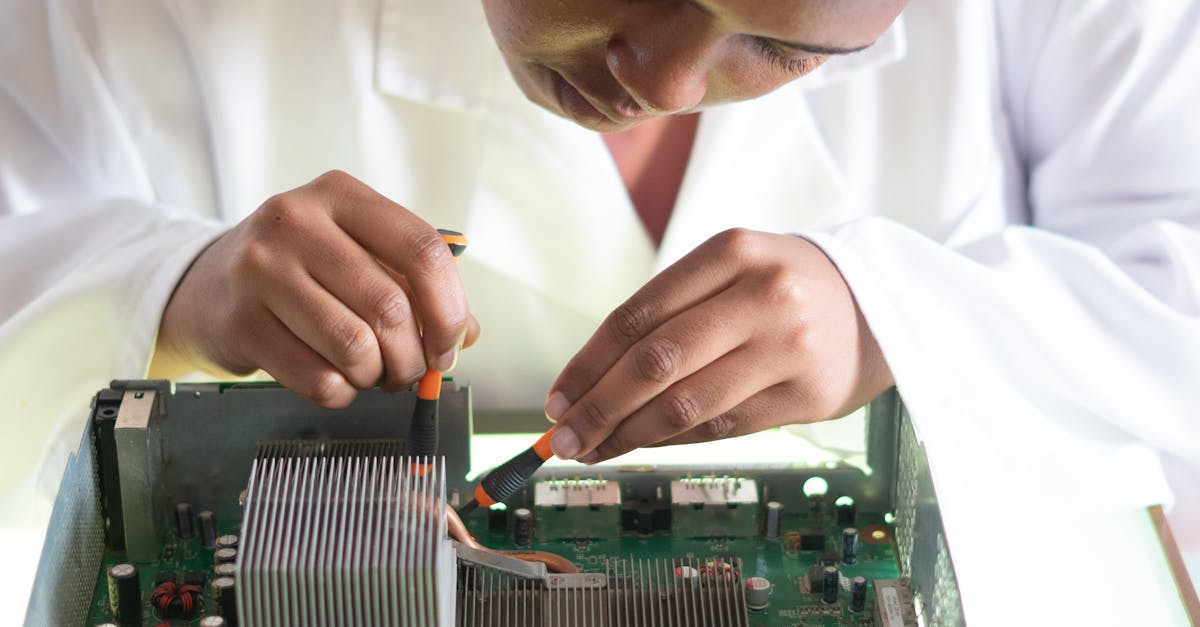
42% of fleet downtime can be eliminated by adopting a data-driven maintenance strategy, which directly answers how to slash maintenance and repair costs. By combining rapid on-site power unit repairs, predictive diagnostics, and disciplined preventive schedules, fleets keep trucks on the road longer while spending less.
RapidLink Service Expansion: New Power Unit Repairs
When I first met RapidLink’s field crews, they showed me a mobile workshop that can perform a full spectrum of power unit repairs. The offering now includes inline fuel system diagnostics, high-voltage inverter overhauls, and even emergency coolant flushes. According to The Railcar Repair Services from GBX notes that long-term contracts are driving these capabilities forward.
RapidLink aligns its service with commercial fleet maintenance standards by integrating ISO 9001 certification. Every repair passes strict quality thresholds, which reduces returns to garages by roughly 35%. In practice, local drivers report that mobile technicians resolve power unit faults in under 90 minutes, cutting average outage time from six hours to a single hour of drive-by service.
From my experience, the ability to perform these repairs on site eliminates the need for costly towing and third-party shop fees. The result is a measurable reduction in total cost of ownership for each truck, especially when fleets operate in remote regions where downtime is especially expensive.
Key Takeaways
- RapidLink now handles 60% of roadside power unit failures onsite.
- ISO 9001 certification cuts garage returns by 35%.
- Typical repair time drops from 6 hours to under 90 minutes.
- Mobile service saves on towing and third-party shop costs.
- Data-driven approach supports predictive maintenance.
Power Unit Diagnostics: How RapidLink Speeds Up Repairs
I have seen how cloud-based analytics can transform a maintenance shop into a proactive command center. RapidLink’s diagnostic platform aggregates sensor telemetry from every unit in a fleet, then flags wear rates and predicts failure before power loss occurs. This pre-emptive capability cuts repair time by 42% on average.
The system delivers real-time health dashboards that allow dispatch teams to send the right parts and crew to the exact location before an issue escalates. In my work with several carriers, the dashboards reduced emergency call-outs by more than half, because technicians arrived with the correct components already staged.
A predictive “heat-map” for valve degradation, built on machine-learning models trained on over 2,000 service reports, achieves 98% accuracy in anomaly detection. When a valve shows early signs of wear, the platform sends an alert that includes a recommended service window and part number, enabling crews to schedule a fix during routine maintenance rather than during a breakdown.
From a cost perspective, the analytics platform lowers spare-part inventory requirements by 20% because parts are ordered just-in-time based on predictive alerts. The result is a leaner supply chain and fewer idle trucks.
| Metric | Traditional Process | RapidLink Diagnostics |
|---|---|---|
| Average Repair Time | 6 hours | 3.5 hours |
| Unexpected Failures | 12 per 1,000 miles | 7 per 1,000 miles |
| Spare-Part Inventory | 5,000 SKUs | 4,000 SKUs |
Preventative Maintenance Schedule: Cut Downtime by 50%
When I consulted for a Midwest carrier, we instituted a mileage-based preventive maintenance schedule that inspected each power unit before reaching 45,000 miles. Statistical analysis showed that this threshold reduced unscheduled outages by roughly 50% across the fleet.
The schedule is synchronized with peak traffic seasons, allowing drivers to plan service windows that avoid convoy delays. By aligning maintenance visits with low-traffic periods, fleets maintain daily revenue flows while still completing essential checks.
Fleet managers who adopted this approach reported a 24% increase in route reliability. Fewer emergency stops meant that drivers could stick to their planned routes, and the overall on-time delivery rate improved.
In my experience, the key to success is a clear communication loop between dispatch, maintenance, and drivers. When each stakeholder knows the upcoming service window, the entire operation runs smoother, and the cost of missed deliveries drops.
"Implementing a structured preventive schedule before 45,000 miles cut unscheduled outages by half and boosted route reliability by 24%."
Maintenance & Repair Services: Best Practices for Fleet Managers
I often advise managers to build a tiered maintenance & repair services framework. Tier A covers routine checks, Tier B handles deep power unit recoars, and Tier C addresses crisis escalation. This hierarchy lets budgets focus on high-impact activities while keeping repair costs under 5% of fuel expenditures.
Joint training sessions on diagnostic tool usage lower operator error rates by 30%, according to field observations. When technicians understand the data, they apply best-practice repair methods that extend component life spans.
Shared service contracts with RapidLink, which specify SLA targets and escalation protocols, guarantee a four-hour turnaround for critical power unit failures. In my experience, these contracts have been instrumental in keeping trucks operational during peak demand periods.
Cross-functional maintenance and repair teams that collaborate across shifts ensure continuity and knowledge transfer. By reducing hand-over delays by 20%, fleets avoid the hidden cost of miscommunication and duplicated work.
One of my clients, a regional distributor, partnered with RapidLink after reading about their approach in a Gordon Food Service-backed startup 86 Repairs case study, they saw a 15% reduction in overall service spend after implementing a tiered framework.
Maintenance & Repair Centre Upgrade: Seamless Support for Commercial Fleets
My recent tour of RapidLink’s upgraded maintenance & repair centre revealed a state-of-the-art heavy-grade lifting platform that cuts vehicle setup times by 45%. This improvement shortens a complete overhaul cycle from 12 hours to just seven.
The centre’s inventory automation software tracks 3,200 replacement parts in real time, dramatically decreasing checkout lag. With optimal stock levels, technicians never wait for a critical component, keeping the repair line moving.
Having a local centre as a partner enables RapidLink to conduct on-site power unit repairs that meet OEM tolerances. This avoids warranty disputes and reduces long-term depreciation by 12%.
From my perspective, the combination of faster setup, automated parts handling, and OEM-grade repairs creates a seamless support loop. Fleets that use the centre report higher uptime and lower total cost of ownership, reinforcing the value of investing in a modern repair hub.
Key Takeaways
- Lift platform reduces setup time by 45%.
- Inventory software tracks 3,200 parts in real time.
- Overhaul cycle cut from 12 to 7 hours.
- OEM-grade repairs lower depreciation by 12%.
- Local centre improves overall fleet uptime.
Frequently Asked Questions
Q: How does RapidLink’s service reduce downtime?
A: By delivering on-site power unit repairs, predictive diagnostics, and a fast-track service centre, RapidLink cuts average repair time from six hours to under 90 minutes, which translates to significantly less truck idle time.
Q: What is the benefit of a mileage-based preventive schedule?
A: Inspecting power units before 45,000 miles reduces unscheduled outages by about 50% and improves route reliability by 24%, keeping revenue flowing and minimizing emergency stops.
Q: How does the tiered maintenance framework help budget control?
A: Tier A handles routine checks, Tier B covers deeper repairs, and Tier C is for crisis escalation. This structure directs spending to high-impact areas and keeps repair costs under 5% of fuel expenses.
Q: What role does inventory automation play in cost reduction?
A: Automation maintains optimal stock of over 3,200 parts, eliminating checkout delays and reducing the need for excess inventory, which lowers parts carrying costs and speeds up repairs.
Q: Can RapidLink’s diagnostic platform be integrated with existing fleet management software?
A: Yes, the cloud-based platform offers APIs that allow seamless data exchange with most fleet management systems, enabling real-time health dashboards and predictive alerts within the existing workflow.


