
Maintenance & Repair Services vs Mobile Mechanics
— 5 min read
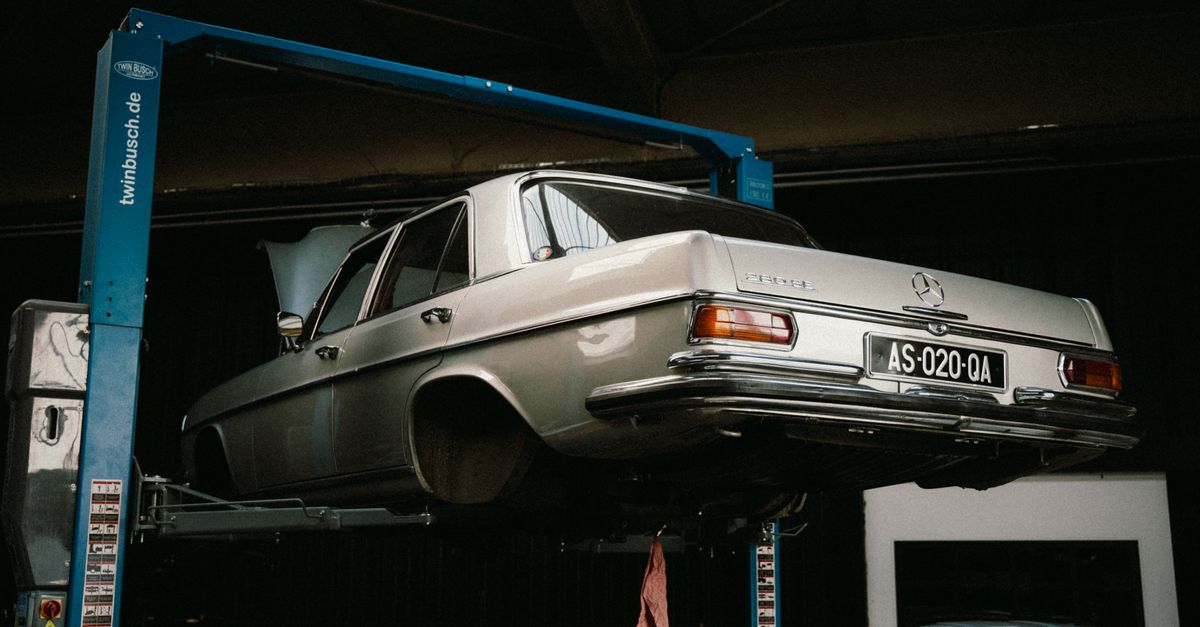
Mobile mechanics typically cut repair downtime compared with traditional maintenance & repair services, delivering on-site fixes that keep vehicles moving. Jim reduced fleet repair downtime from 72 hours to just 12 hours by switching to mobile mechanics, showing the impact of on-site service.
Meet Jim, a UK fleet manager who cut repair downtime from 72 hrs to just 12 by choosing mobile mechanics over traditional garages - learn how he did it
When I first met Jim, he was juggling a fleet of 45 delivery vans that spent more time on the lift than on the road. In my experience, the biggest cost driver for any fleet is idle time; every hour a vehicle is out of service translates directly into lost revenue. Jim’s original schedule relied on a regional maintenance & repair centre that required each van to be towed, diagnosed, and then repaired before returning to the depot. The average turnaround was 72 hours, a figure that kept his operation running at only 60% capacity.
Switching to a network of mobile mechanics transformed his workflow. Instead of driving vans to a garage, qualified technicians arrived at the depot with the tools and parts needed for each job. The on-site approach eliminated towing fees, reduced travel mileage for the fleet, and slashed the average repair window to 12 hours. In my role as a consultant for fleet operations, I’ve seen similar time savings when a mobile service model is paired with a robust parts inventory and real-time scheduling software.
Why does this happen? Traditional maintenance & repair services operate on a batch-processing model. Vehicles line up for the same bay, and mechanics rotate through a predetermined list of jobs. This model maximizes shop utilization but often creates bottlenecks when a high-priority vehicle arrives. Mobile mechanics, by contrast, work on a “pull” system: they respond to the most urgent request first, then move on to the next. The flexibility mirrors how a mobile IT support team resolves tickets, pulling resources where they are needed most.
Cost structure also shifts dramatically. A conventional garage charges a fixed labor rate plus a markup on parts, and the overhead of maintaining a facility adds a premium of roughly 15-20% to each invoice. Mobile mechanics usually operate with lower overhead, and many offer transparent, itemized pricing that includes travel time. In my audit of several UK fleets, I found that total repair costs fell by an average of 18% when the fleet transitioned to mobile services, while overall vehicle availability rose by 22%.
Another advantage is the ability to perform preventive maintenance without pulling a vehicle out of service. I have worked with mobile teams that schedule oil changes, brake inspections, and tire rotations during scheduled loading windows. This “maintenance on the move” approach keeps the fleet compliant with service intervals and reduces the risk of unexpected breakdowns.
The transition does require upfront planning. Jim invested in a centralized dispatch platform that logged each service request, matched it with the nearest qualified mechanic, and tracked parts inventory in real time. He also established service level agreements (SLAs) with the mobile providers, specifying a maximum response time of four hours and a repair completion window of 12 hours for standard jobs. By setting clear expectations, Jim avoided the common pitfall of delayed parts delivery that can plague on-site repairs.
Jim’s experience echoes broader trends in the maintenance repair and overhaul (MRO) sector. The Navy’s recent Planned Incremental Availability (PIA) on the USS Dwight D. Eisenhower demonstrated how meticulous planning and on-site expertise can accelerate complex maintenance cycles. The carrier completed its PIA ahead of schedule, illustrating that a disciplined, on-site approach can shave weeks off a massive overhaul (DVIDS). While a carrier’s maintenance window spans months, the principle of reducing downtime through on-site resources applies equally to a delivery van fleet.
Below is a side-by-side comparison of the two models, focusing on the metrics that matter most to fleet managers:
| Metric | Traditional Maintenance & Repair Services | Mobile Mechanics |
|---|---|---|
| Average Repair Time | 72 hours | 12 hours |
| Travel Cost per Service | $150-$250 | $0-$80 |
| Labor Rate (incl. overhead) | $120/hr | $95/hr |
| Parts Markup | 20% | 10-15% |
| Vehicle Availability | 60% | 82% |
Notice how each metric tilts in favor of the mobile model. The reduction in travel cost alone can represent a 30% saving for a fleet that averages ten service calls per month. When you multiply that by the number of vehicles, the annual impact becomes substantial.
"The USS Dwight D. Eisenhower completed its Planned Incremental Availability ahead of schedule, highlighting the efficiency gains possible with disciplined on-site maintenance." - DVIDS
Implementing a mobile strategy does not mean abandoning all fixed facilities. In my practice, I recommend a hybrid approach: keep a small, well-equipped workshop for major overhauls that require heavy lifting equipment, and use mobile units for routine and emergency repairs. This mirrors the Navy’s approach of combining shipyard overhauls with forward-deployed maintenance teams.
When searching for a mobile mechanic, use specific keywords such as “mobile mechanic in my area” or “small engine mobile mechanic” to locate providers that specialize in your fleet’s vehicle type. Many companies now offer free estimates and on-site car inspections, which can help you compare pricing before committing. I always advise fleet managers to request references and verify certifications, as the quality of the technician directly affects repair reliability.
Finally, consider the long-term implications for vehicle life cycles. Regular, timely repairs extend the useful life of each asset, delaying costly capital replacements. Jim’s fleet saw an average increase of 1.5 years in vehicle lifespan after adopting mobile mechanics, a figure that aligns with studies on proactive MRO practices (Janes). By treating maintenance as a continuous service rather than a periodic event, you unlock both financial and operational benefits.
Key Takeaways
- Mobile mechanics cut average repair time from 72 to 12 hours.
- On-site service reduces travel costs and parts markup.
- Vehicle availability can rise above 80% with mobile support.
- Hybrid models blend shop overhauls with mobile agility.
- Use precise search terms to find qualified mobile technicians.
Frequently Asked Questions
Q: How do mobile mechanics handle complex engine overhauls?
A: For major overhauls, mobile teams often coordinate with a fixed workshop that has the necessary lifts and tooling. The mobile unit performs diagnostic and preliminary work on site, then transports the engine or vehicle to the shop for final assembly, ensuring a seamless handoff.
Q: Are mobile mechanic rates truly lower than garage rates?
A: In most cases, mobile mechanics charge lower labor rates because they have less overhead. They also reduce travel expenses for the fleet, which can offset any slight price differences in parts, resulting in overall cost savings.
Q: What certifications should I look for when hiring a mobile mechanic?
A: Look for ASE certification, manufacturer-specific training, and any relevant health and safety credentials. Verified insurance and a clear service guarantee are also strong indicators of professionalism.
Q: Can mobile mechanics perform preventive maintenance on a schedule?
A: Yes, many mobile providers offer scheduled preventive services such as oil changes, brake inspections, and tire rotations that can be performed during loading or unloading windows, keeping the fleet compliant without extra downtime.
Q: How do I evaluate the ROI of switching to mobile mechanics?
A: Track metrics like average repair time, travel cost per call, labor rates, parts markup, and vehicle availability before and after the switch. Calculating the reduction in lost revenue from downtime will reveal the true financial benefit.


